- Introduction – The helicopter pilot license
- Overview of licences
- LAPL (H) – Light Aircraft Pilot Licence
- PPL(H) – Private Pilot Licence
- CPL(H) – Commercial Pilot Licence
- ATPL (H) – Airline Transport Pilot Licence
- Comparison LAPL(H) and PPL(H)
- FAQ – Frequent questions about the helicopter pilot licence
- Helicopter flight schools at a glance
The helicopter pilot licence
A helicopter pilot license makes it possible to experience the freedom of flying from a completely new perspective. Unlike aeroplanes, helicopter flying opens up fascinating possibilities: vertical take-off and landing, hovering in the air or precise control in hard-to-access areas. These peculiarities make up the appeal of this demanding and at the same time versatile education.
On this page, we would like to provide comprehensive, compact and practical information about all important aspects – without offering training yourself. Interested parties will find neutral help here to take the right path to the right license.
In addition, we offer a clear comparison between LAPL(H) and PPL(H) as well as a large FAQ. Pilotenausbildung1.de lists flight schools in Germany and helps to find the right training location.
In addition, we explain typical costs, timelines and medical requirements so that prospective pilots can develop realistic expectations. Experience reports, useful tips for the selection of the first flight school and advice on further training round off the information offered. Get inspired and start your personal adventure in the world of helicopter flying.
LAPL(H)
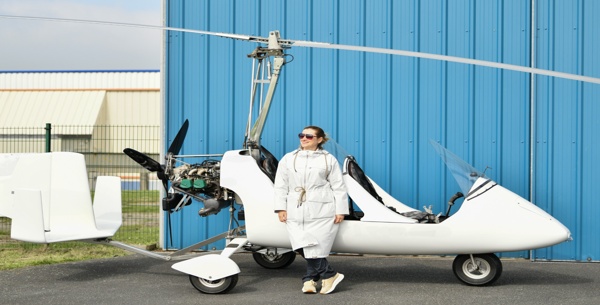
The Light Aircraft Pilot Licence (Helicopter) – LAPL(H) is a private pilot licence for helicopters valid for non-commercial operations within Europe. It provides the basic theoretical and practical knowledge to safely control a helicopter and conduct flights under visual flight conditions. The LAPL(H) is geared towards leisure and hobby pilots and offers an ideal introduction.
PPL(H)
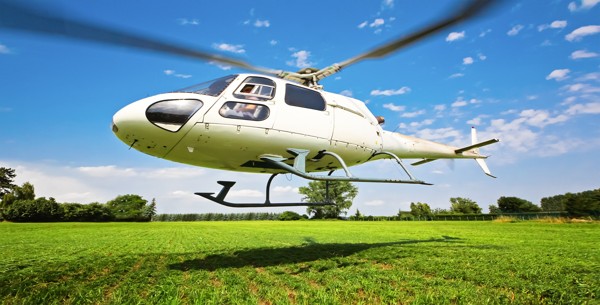
The Private Pilot Licence (Helicopter) – PPL(H) is an internationally recognized private pilot license for helicopters. It enables the driving of helicopters for non-commercial purposes and offers enhanced privileges and more extensive training opportunities compared to the LAPL(H). With the PPL(H) larger and more complex helicopters can be flown and additional ratings can be purchased.
CPL (H)
The CPL(H) is the commercial pilot license for helicopter pilots and allows to conduct commercial flights and work as a commercial pilot. A prerequisite is usually an existing PPL(H) as well as extensive flight experience. The training includes additional theoretical content with higher demands and a minimum of 155 flight hours (modular path). Practical training will provide advanced flight skills, including precision manoeuvres, external landings, cargo transport and complex navigation flights. CPL(H) pilots can perform activities such as scenic flights, aerial work, missions for authorities or corporate shuttle. This license is a crucial step for anyone pursuing a professional career in helicopter aviation.
ATPL (H)
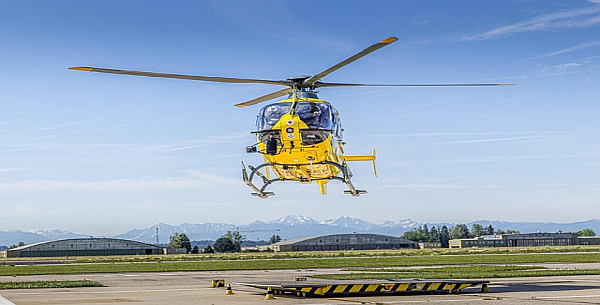
The ATPL(H) is the highest level of pilot licenses and qualifies pilots to work as pilot-in-command (PIC) in multi-pilot helicopter systems. As a rule, a “frozen ATPL(H)” is first acquired – a combination of completed theory examination and CPL(H) with instrument rating – which is “defused” with growing flight experience. ATPL theory is challenging and covers complex topics such as performance calculation, advanced navigation, flight physics and air law at an international level. Areas of application are mainly larger commercial helicopter operations, such as offshore transport, rescue services with large multi-pilot systems or military or state flight operations.
Helicopter sightseeing
A helicopter flight offers aspiring student pilots an impressive first encounter with the fascination of turning flight. As you gently soar over landscapes, you’ll immediately experience how precise control movements, lift dynamics and spatial orientation work together. This flight not only conveys enthusiasm, but also a realistic sense of future training content such as navigation, communication and flight maneuvers. For those interested in helicopter pilot training, it also arouses an understanding of career prospects, a sense of responsibility, continuous willingness to learn and discipline.
Helicopter Pilot Training – Overview of licenses
| Licence | Description | Flight hours | Duration | Costs | Coverage |
|---|---|---|---|---|---|
| LAPL(H) | Recreational helicopter license (EASA). Ideal for private flights and scenic flights with light helicopters up to 2,000 kg. | 40 | 4–6 months | 15.000–25.000 | Europe (EASA) |
| PPL(H) | Private Pilot Licence (Helicopter) according to ICAO standard. Basis for further privileges. | 45 | 6–12 months | 20.000–35.000 | Worldwide |
| IR(H) | IFR for helicopters. Allows IFR flights with limited visibility. | 50 | 4–8 months | 20.000–30.000 | Worldwide (IFR) |
| CPL(H) | Professional helicopter licence. Allows commercial flights. | 30 (according to PPL) | 8–14 months | 45.000–65.000 | Worldwide |
| ATPL(H) | Commercial pilot licence for helicopters (Captain). | 250+ | 18–36 months | 80.000–130.000 | Worldwide |
Comparison LAPL(H) and PPL(H)
| Criterion | LAPL(H) | PPL(H) |
|---|---|---|
| Minimum age | 17 years | 17 years |
| Minimum flying hours | 40 hours | 45 hours |
| Coverage | EASA/EU | Internationally Extensible |
| Commercial use | No | Yes, with additional licences |
| Medical fitness | Medical LAPL | Medical Class 2 |
| Purpose | Private flights, hobby | Private & Basis for occupation |
FAQ – Frequent Questions
What is the LAPL(H) license for helicopters?
The LAPL(H) is a leisure pilot license that allows you to fly light helicopters up to 2,000 kg for non-commercial purposes.
What requirements do I have to meet for the LAPL(H)?
You will need an LAPL Medical, sufficient English skills and participation in a recognised flight school.
How many flight hours are required for the LAPL(H)?
The training shall include at least 45 hours of flight time, consisting of exercises, navigation flights and solo flight portions.
Is the LAPL(H) recognised in Europe?
Yes, the LAPL(H) is valid in all EASA member states throughout Europe.
How much does it cost to train for LAPL(H)?
Depending on the flight school, the total cost is usually between 12,000 and 18,000 euros.
Which helicopters can I fly with the LAPL(H)?
You are allowed to fly light helicopters up to a maximum take-off mass of 2,000 kg, usually single-engine models.
Can I move up to PPL(H) with the LAPL(H) later?
Yes, your flight times and parts of the training can be counted.
For whom is the LAPL(H) suitable?
For amateur pilots, beginners and anyone who wants to start helicopter flying inexpensively.
What does the PPL(H) pilot license mean?
The PPL(H) is an internationally recognized private pilot license for non-commercial helicopter flying.
What requirements do I need for the PPL(H)?
You will need a Medical Class 2, theoretical training and successful participation in practical PPL(H) training.
How many flight hours are required for the PPL(H)?
At least 45 to 55 hours of flight time, depending on the training concept of the flight school.
How is the PPL(H) different from the LAPL(H)?
The PPL(H) offers more rights, international validity and is a prerequisite for the CPL(H).
How much does training for PPL(H) cost?
The training costs are typically between 25,000 and 40,000 euros, depending on the type of helicopter.
What permissions can I add to the PPL(H)?
You can add night flight, type or instrument ratings.
Can I fly professionally with the PPL(H)?
No, professional or commercial flights are only possible with the CPL(H).
For whom is the PPL(H) particularly suitable?
For private helicopter pilots, frequent travellers and future commercial pilots.
What is the CPL(H) Commercial Pilot License?
The CPL(H) is the license for commercial pilots who wish to fly commercially with helicopters.
What are the requirements for the CPL(H)?
You will need a PPL(H), a Medical Class 1 and extensive flight experience.
How many flight hours are required for the CPL(H)?
In the modular training path a total of at least 155 flight hours.
How much does CPL(H) training cost?
The training costs are depending on the model and flight school between 60,000 and 90,000 euros.
What professional opportunities do I have with the CPL(H)?
You can offer scenic flights, perform aerial work, support authorities or take on commercial transport flights.
Which additional qualifications are useful for CPL(H) pilots?
IFR, night flight and type extensions significantly increase the application possibilities.
How does the CPL(H) exam work?
The examination consists of a comprehensive theory block and a practical flight test with examiner.
Is the CPL(H) internationally recognized?
The EASA-CPL(H) is recognized in many countries and facilitates switching to foreign operators.
What does ATPL(H) mean for helicopter pilots?
The ATPL(H) is the highest pilot license and qualifies pilots for multi-pilot helicopter operations.
How do I become an ATPL(H) pilot?
You usually start with a “frozen ATPL(H)” (CPL(H) + IFR + ATPL theory) and get the full ATPL(H) after you have achieved the necessary flight experience.
How demanding is the ATPL(H) theory?
It covers complex topics such as flight planning, navigation, aerodynamics, meteorological analysis and international air law.
What jobs can I do with the ATPL(H)?
Areas of application are offshore transport, rescue flights in multi-pilot systems and international commercial helicopter operations.
What are the requirements for the ATPL(H)?
You will need a Medical Class 1, extensive flight experience, IFR rating and a completed ATPL theory exam.
Why is the ATPL(H) worthwhile for commercial pilots?
It opens up access to highly qualified, well-paid cockpit positions in professional aviation.