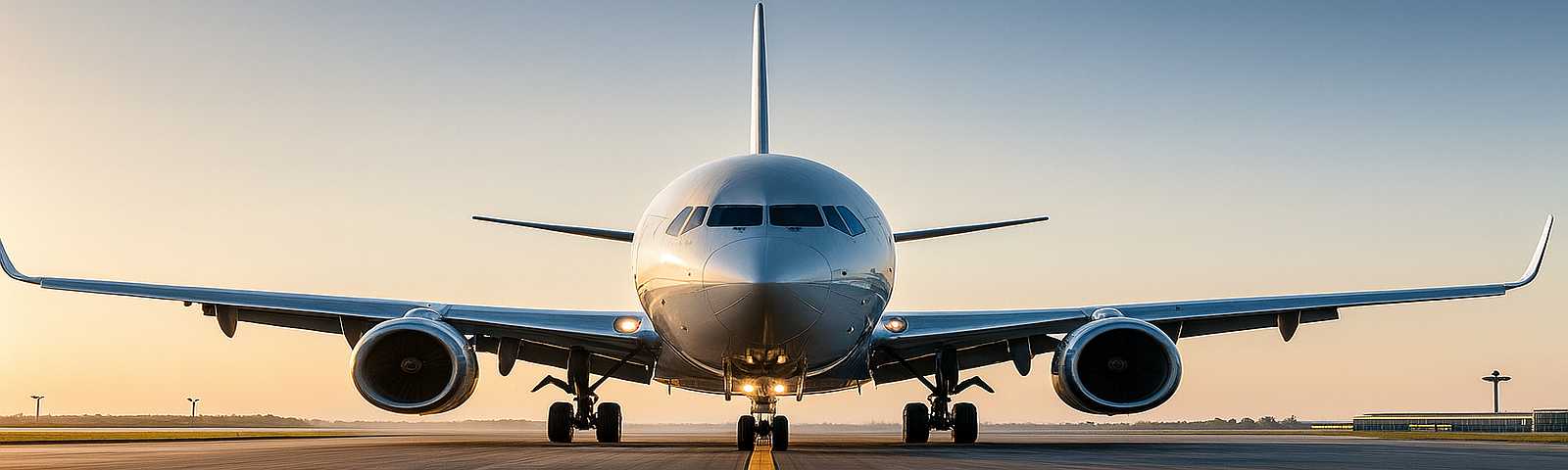
ATPL(A) Career & Perspectives
The Airline Transport Pilot Licence (ATPL(A)) is the highest level of license in civil aviation and forms the basis for a professional career in the cockpit. Whoever chooses this path, opts for a demanding, but extremely diverse and attractive profession.
With the ATPL(A) license, pilots can be used at airlines worldwide – initially usually as First Officerlater with growing flight experience also as Captain. Whether for large international airlines, regional airlines or in the business aviation sector: The application possibilities are wide-ranging.
Even outside the classic airline career, there are exciting fields of activity, for example in Cargo flight, Rescue and ambulance flight, Corporate jet area, Flight training or in Management Aviation-related companies.
Professional prospects
Globally, the demand for pilots is stable in the long term. In Europe, however, demand depends heavily on the airlines’ economic situation. Many airlines are increasingly investing in up-and-coming pilot programs, offering integrated training pathways or career paths for up-and-coming pilots. In addition, modern composite fleets open up new areas of application so that the profession remains dynamic.
Increasing digitalization and standardization in cockpits are changing task profiles: Pilots today not only have to bring aviation skills, but also high stress resistance, teamwork and technical understanding.
Benefits of ATPL(A) Career
-
International professional opportunities
-
Attractive compensation models depending on the airline
-
High level of responsibility & varied working day
-
Good long-term development prospects
-
Possibility to later work as a flight instructor
Career pathways & Perspectives with ATPL(A)
| Career path | Description | Typical entry possibilities | Long-term perspectives |
|---|---|---|---|
| Airline First Officer | First officer in scheduled flight operations, assisting the captain in all phases of flight. | Upon completion of ATPL(A) / Frozen ATPL, if applicable. through airline cadet programs. | Ascent to captain, additional type ratings, change to larger airlines or long-haul fleets. |
| Airline Captain | Overall responsibility for aircraft, crew and flight safety. | Several years of experience as a first officer, fulfilled minimum hours & internal qualifications. | Leadership positions, training captain, auditor, fleet or base management. |
| Regional airlines | Short- and medium-haul operations, often smaller aircraft and higher circulating numbers. | Direct entry to ATPL(A) / Frozen ATPL or through junior training programs. | Ascension to Captain, later change to large network or holiday airlines. |
| Cargo flight | Transport of goods and express freight worldwide, often night flights. | Entry usually with first professional experience as a pilot, partly lateral entry from regional airlines. | Use on short, medium and long distances, attractive compensation depending on the operator. |
| Business Aviation | Flights for companies, VIPs or private customers, flexible and often worldwide. | Entry via smaller business jet operators or charter companies. | Very varied assignments, quick assumption of responsibility and customer contact. |
| Ambulance/rescue flight | Medical, humanitarian or organ transport flights, sometimes time-critical missions. | Several years of experience in commercial flight operations, additional training and qualifications. | Specialised and meaningful activity, long-term stability in a niche market. |
| Dual flight instructor (FI(A)) | Training of new pilots in theory and practice. | Acquisition of an instructor rating (FI(A)) after appropriate flight experience. | Head of Training, Examiner Certificates (TRE/CRE), senior position in flight schools. |
| Air traffic management | Work in administration, safety management, training or operational planning. | Professional experience as a pilot, if applicable. Additional qualification in the field of management. | Management functions in airline organization, training, safety or fleet management. |